Fluttering Wings
Gold Coast, Australia
Community-Led Conservation of the Gold Coast’s Two Threatened Butterfly Species
The Gold Coast is home to two threatened butterflies: the Richmond birdwing butterfly (Ornithoptera richmondia) and the lesser-known Illidge’s ant-blue butterfly (Acrodipsas illidgei). This project aims to expand community awareness and increase survey efforts for the these to threatened invertebrates, through adult training sessions, citizen science surveys, and school visits.
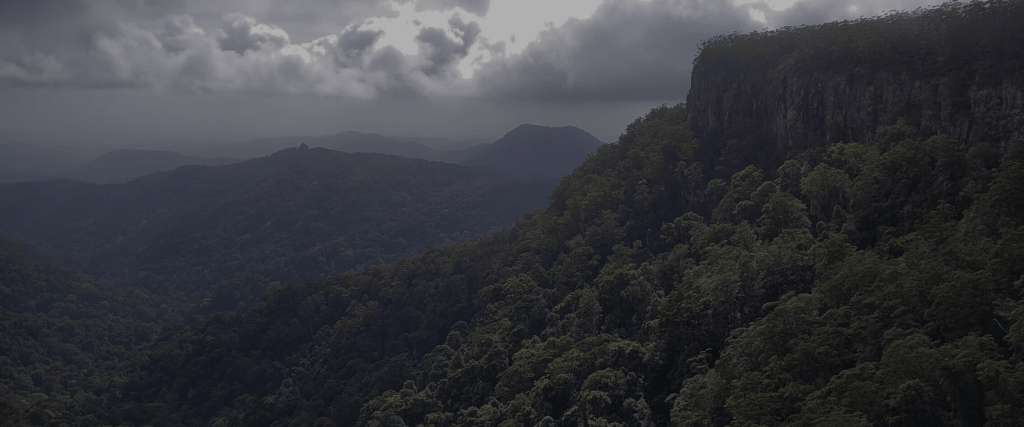
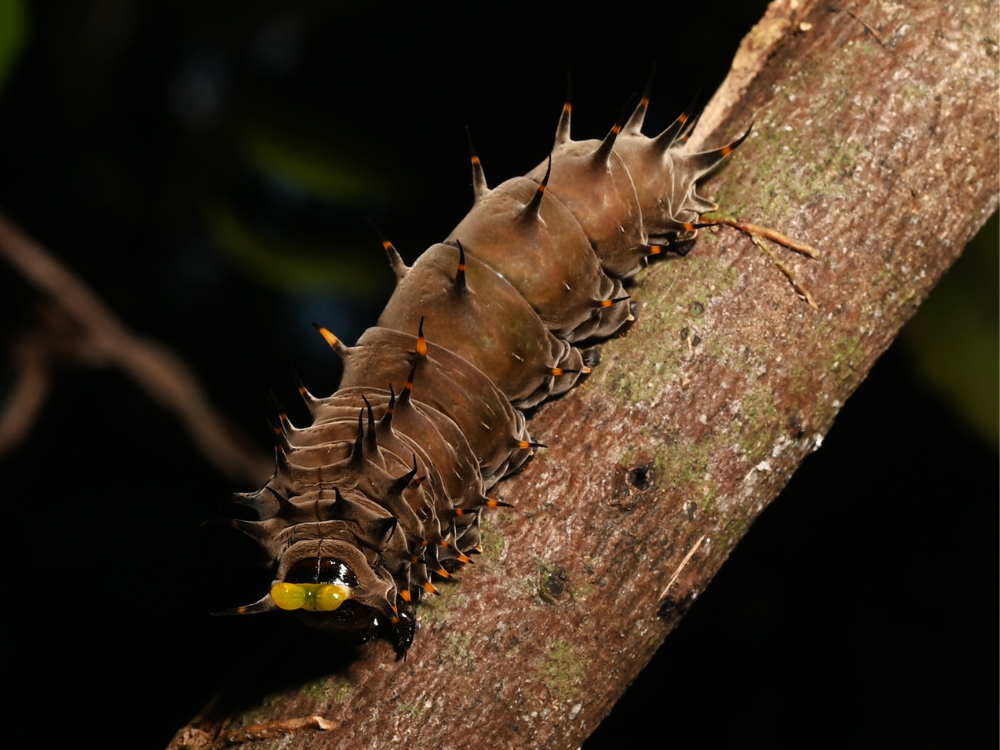
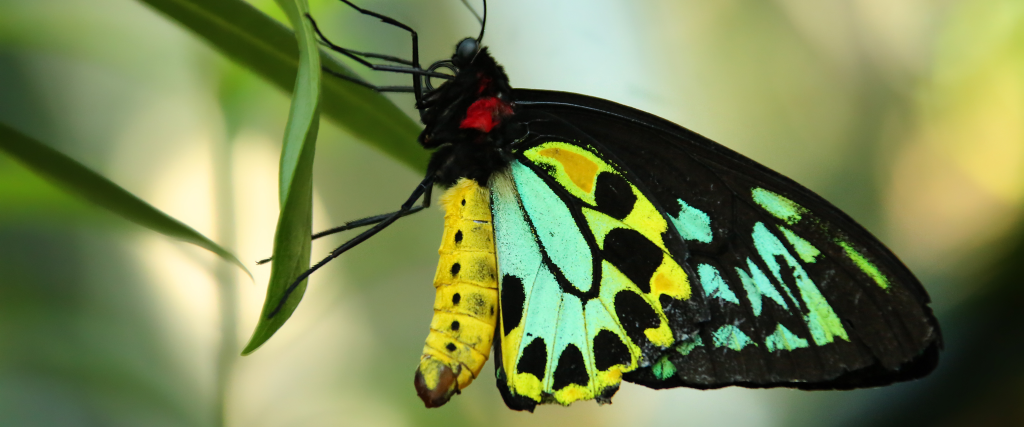
Of the two butterflies, the Richmond birdwing butterfly is by far the most widely known. The largest subtropical butterfly in Australia, the Richmond birdwing was historically was found from Maryborough in Queensland, south to the Clarence River in New South Wales. It relies on the presence of the Richmond birdwing vine (Pararistolochia praevenosa) or the mountain Aristolochia (Pararistolochia laheyana), that its larvae feed on. The introduction of an invasive plant species, Dutchman’s pipe (Aristolochia elegans), which is toxic to its larvae, has greatly impacted the species along with other threats such as land clearing.
The Illidge’s ant-blue butterfly or mangrove ant-blue is a cryptic species associated with Crematogaster species ants and grey mangroves. Although classically considered to only be found in coastal environments, recent sightings inland is prompting a rethink of our understanding of the species.
The Fluttering Wings Project is proudly supported by a City of Gold Coast Council – Community Partnership Grant.

Image © Braden McDonald


Raising Awareness
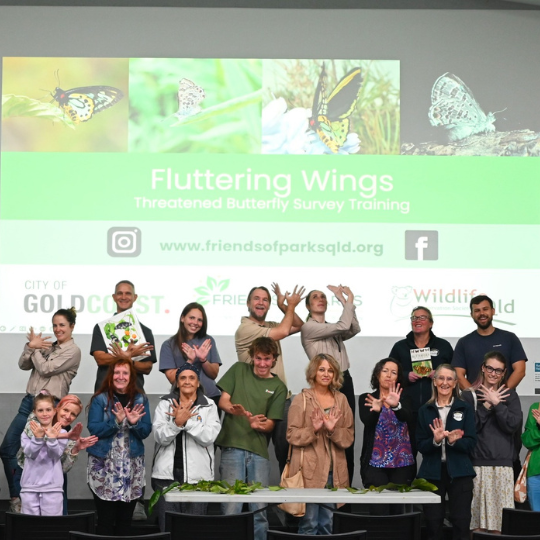
While the Richmond birdwing butterfly is well-known within the conservation community, the Illidge’s ant-blue butterfly does not have the same profile. This project aims to raise general awareness of the two butterflies in parallel, while teaching the community how to survey for the two butterflies, signs to look out for, and how to record sightings.
By hosting adult and childhood education events with expert guest speakers, we are endeavouring to bring these two butterflies into mainstream discourse – hopefully leading to the first record of an Illidge’s ant-blue butterfly on the Gold Coast in over 35 years!
Already, this project has seen the development of educational resources on the two butterflies.
- Updated Richmond Birdwing Butterfly Landholder Guide
- Illidge’s ant-blue butterfly fact sheet
Access these resources by clicking the buttons below, or stay tuned! We are holding two Threatened Butterfly Survey Training sessions each year until 2028 that are accessible to all. Keep an eye out for opportunities to get involved.
Richmond Birdwing Butterfly
Learn more about the Richmond Birdwing Butterfly by viewing the Landholder Guide, published in 2026.
Illidge’s Ant-blue Butterfly
Discover one of Australia’s most cryptic threatened species – view the Illidge’s ant-blue butterfly factsheet.

Finding the Butterflies
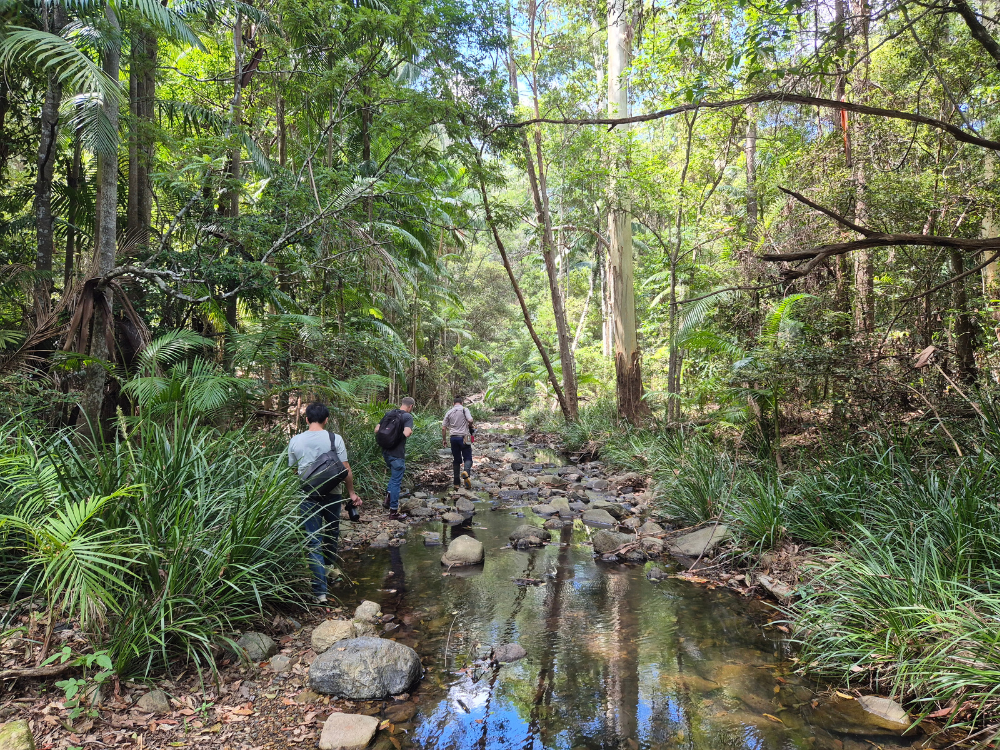
These two butterflies have distinct habitat preferences: one prefers subtropical rainforest, the other prefers coastal environments. Both butterflies overlap with Friends of Parks groups who are actively engaged in citizen science and ecological restoration, directly benefitting these two threatened species.
By utilising iNaturalist, we are holding multiple surveys for these butterflies each year until 2028 at sites across the Gold Coast including (but not limited to) the following areas:
- Tallebudgera Creek and surrounding reserves
- Coombabah Lakelands
- Burleigh Head National Park
- Nerang National Park and surrounding reserves
- Upper Mudgeeraba Conservation Area
- Hinterland Regional Park
- Guanaba Indigenous Protected Area
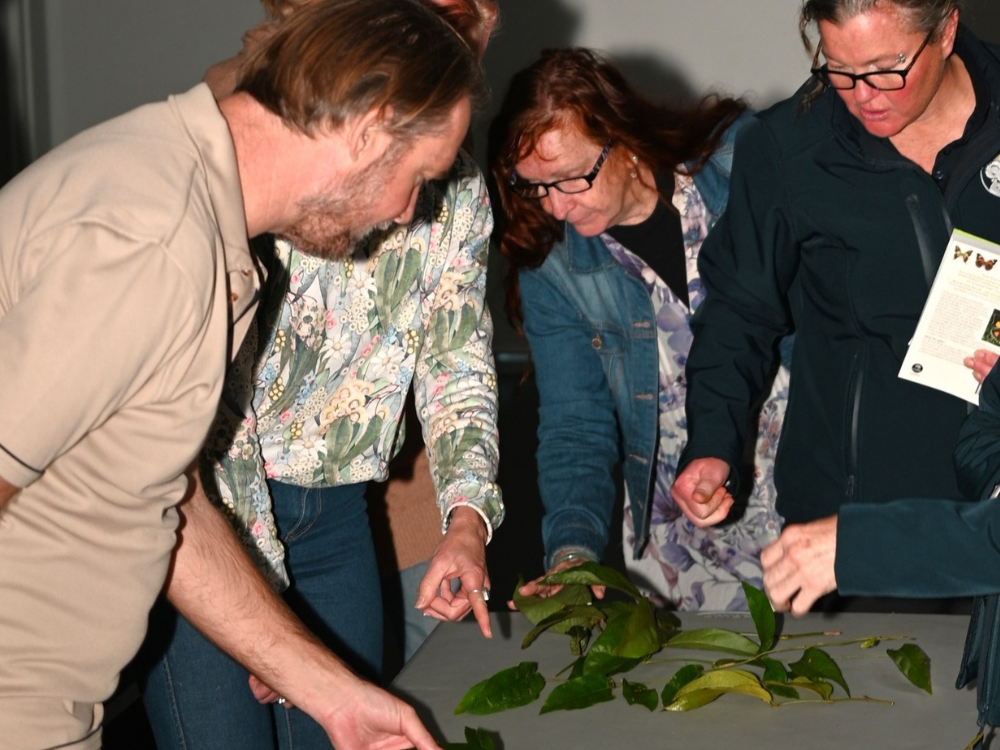
Butterfly enthusiasts can sharpen their survey skills and methodology by attending a Threatened Butterfly Survey Training (theoretical component) to learn best-practice techniques for butterfly surveys.
Inspiring the Next Generation
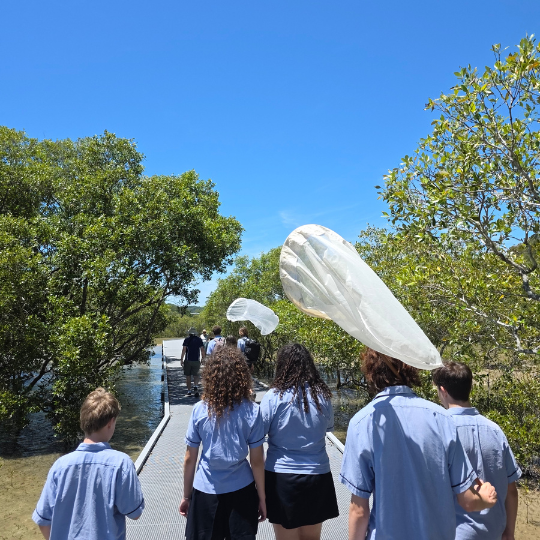
We know conservation spans multiple generations. That is why we’ve partnered with Gecko Environment Council to deliver school visits as part of the education program. At these visits, primary school or high school students are taught about the two butterflies and have the opportunity engage in either:
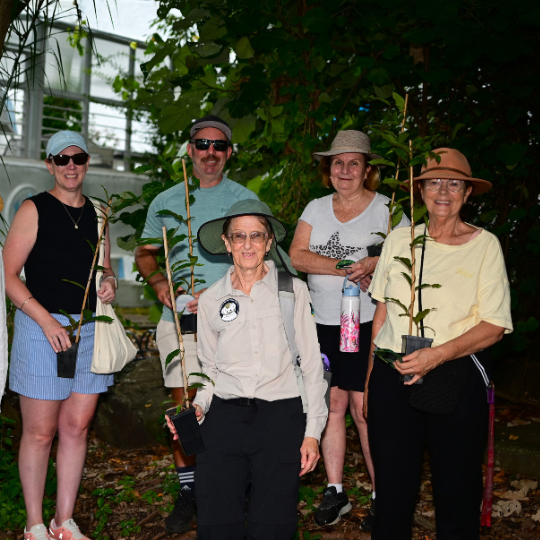
- Vine planting of the Richmond birdwing vine, to boost critical habitat for the Richmond birdwing butterfly.
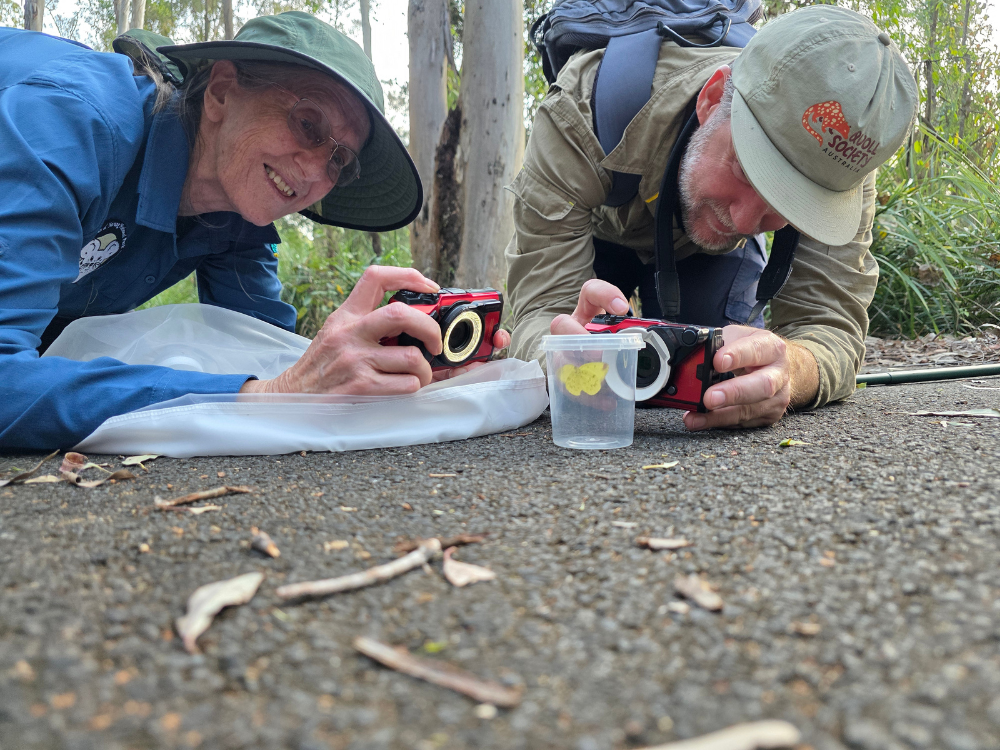
- Surveys for the Illidge’s ant-blue and other butterflies
If you are a representative of a school on the Gold Coast and would like to get involved, contact us for more information
Future Directions
The next phase of the Fluttering Wings project:
- Continue with adult training sessions, citizen science surveys, and Richmond birdwing vine giveaways
- Visit schools to raise awareness of these butterflies with the next generation
- Support Friends of Parks groups looking after threatened butterfly habitat
- Contribute our data to the Queensland Government and other conservation organisations
- Deliver in Threatened Species Symposium in 2028 to showcase the results of this project
This work is made possible thanks to partnerships with City of Gold Coast Council, Wildlife Queensland, Queensland Parks and Wildlife Service’s Threatened Species team, Gecko Environment Council, Friends of Nerang National Park, Friends of Tallebudgera Creek Conservation Park, Friends of Burleigh Head National Park, and people like you!
You are invited to come on this journey with us – read on for ways you can get involved.
You Can help Our Butterflies Thrive
With your support, we can expand the reach of Fluttering Wings – restoring habitat, holding additional surveys, and maybe even rediscover the Illidge’s ant-blue butterfly on the Gold Coast.
Support our Threatened Butterflies