Potoroo Protectors
South East Queensland, Australia
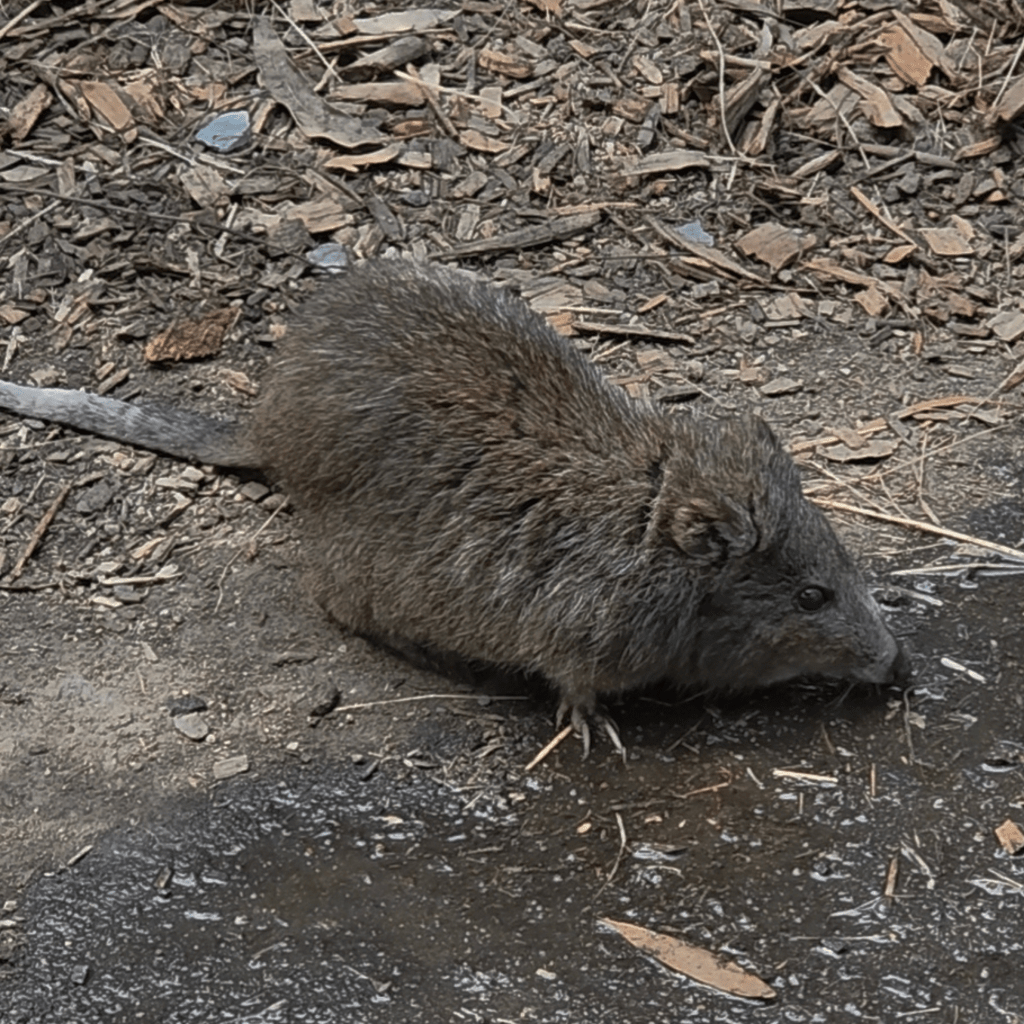
Safeguarding the Long-Nosed Potoroo
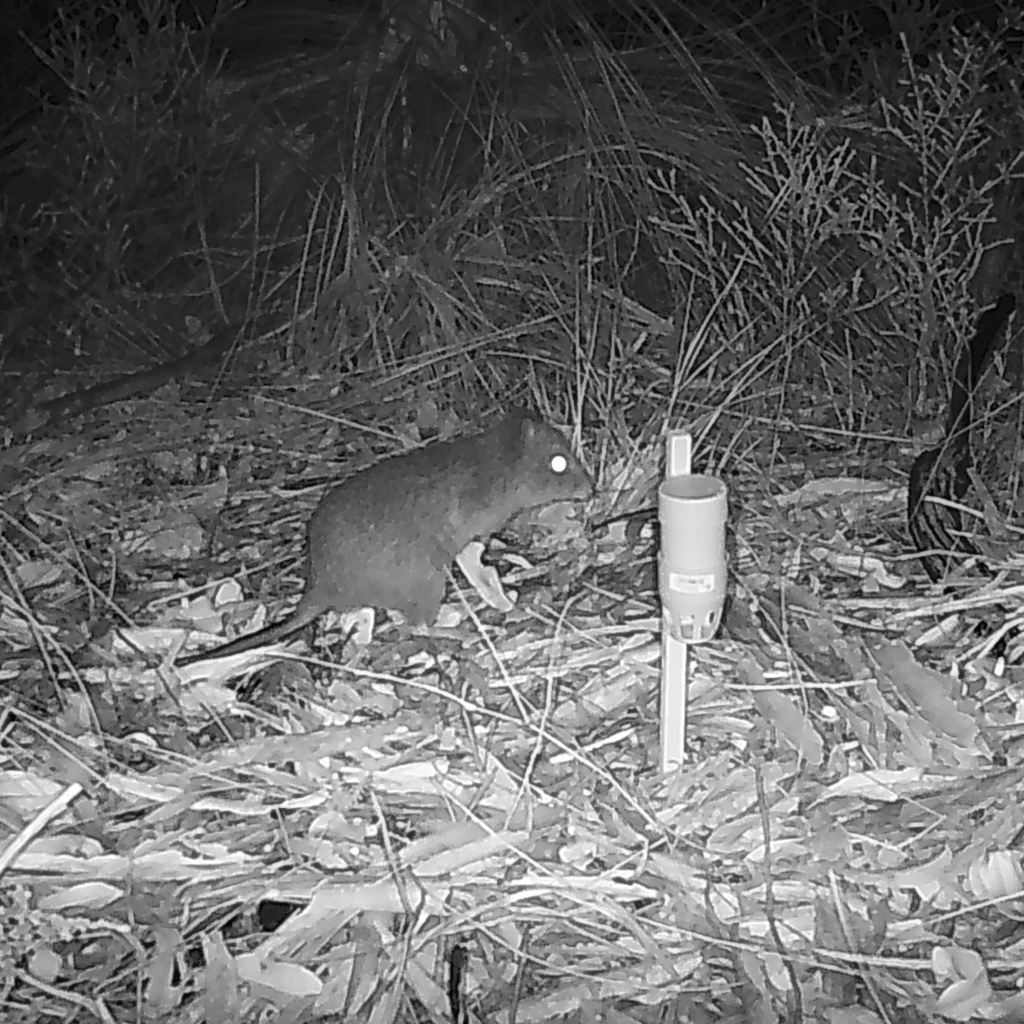
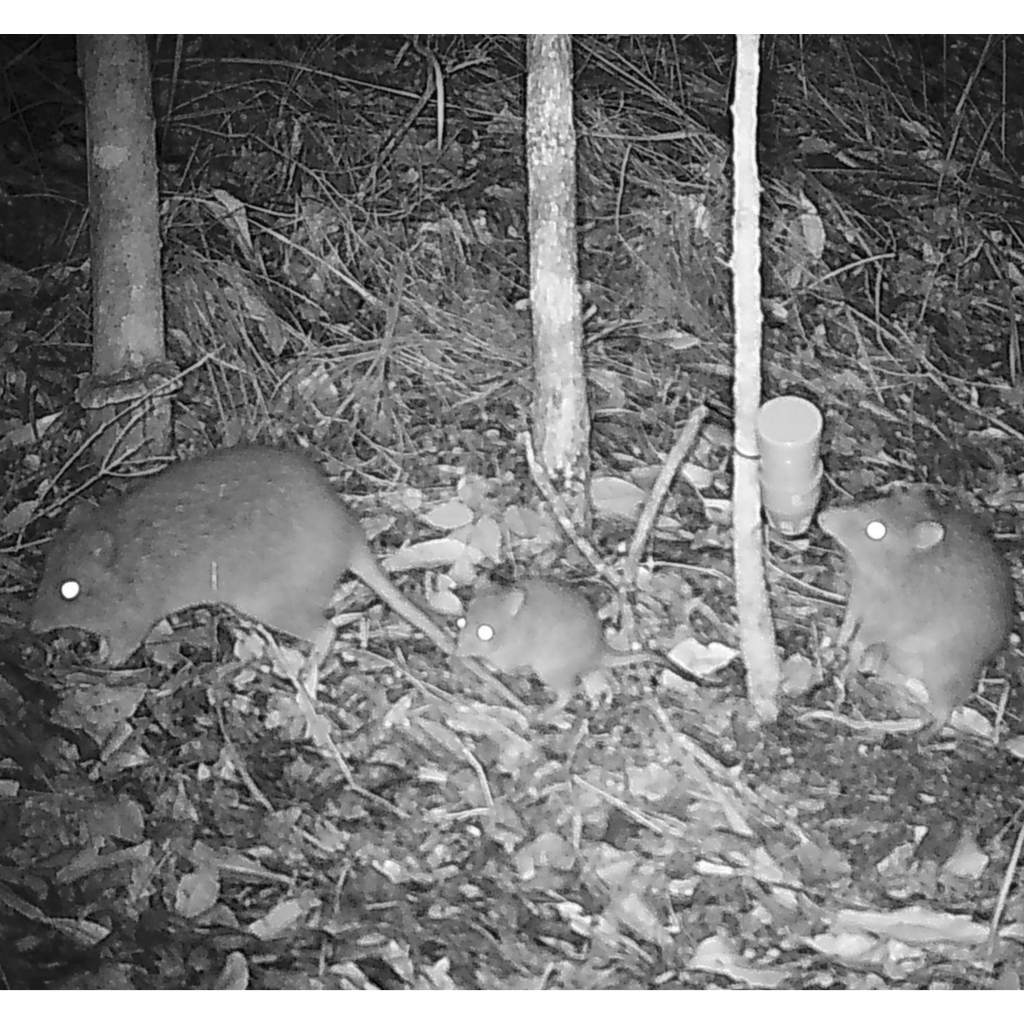
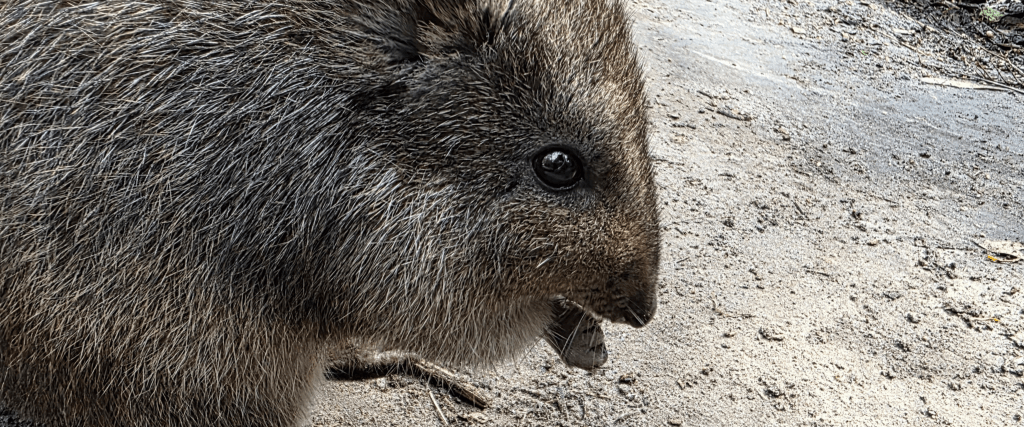
The long-nosed potoroo (Potorous tridactylus) is one of Queensland’s most remarkable – and most undervalued – threatened mammals. As a critical ecosystem engineer, it plays an essential role in soil turnover and fungal dispersal, helping maintain the health of our forests.
But potoroos face serious threats. Introduced predators like feral cats and foxes, along with inappropriate fire regimes, continue to restrict their distribution and keep population numbers low.
In recent years, several local populations across southern Queensland have disappeared, and the species is now absent from areas that were once considered strongholds. These quiet losses highlight how vulnerable potoroos are to sustained predation pressure and habitat change — and how urgently targeted conservation action is needed.
The Potoroo Protectors Project is proudly funded by the Queensland Government’s Threatened Species Recovery Action Grants program, allowing us to tackle these threats head-on while improving our understanding of where potoroos persist across their former range.
Removing Predators
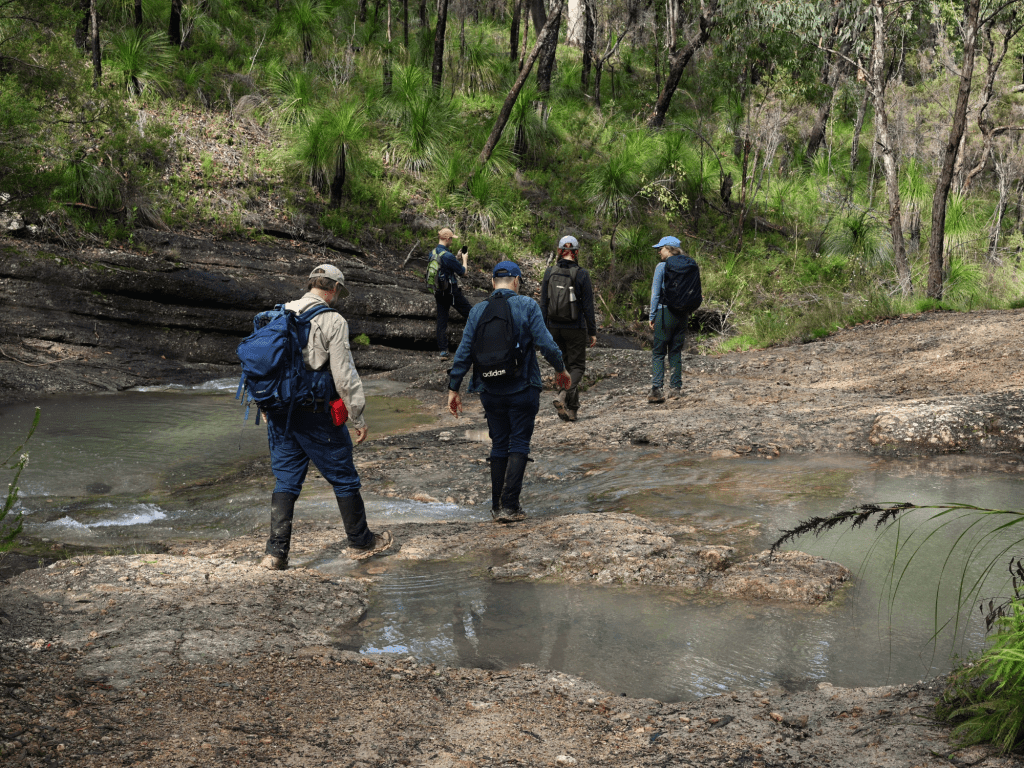
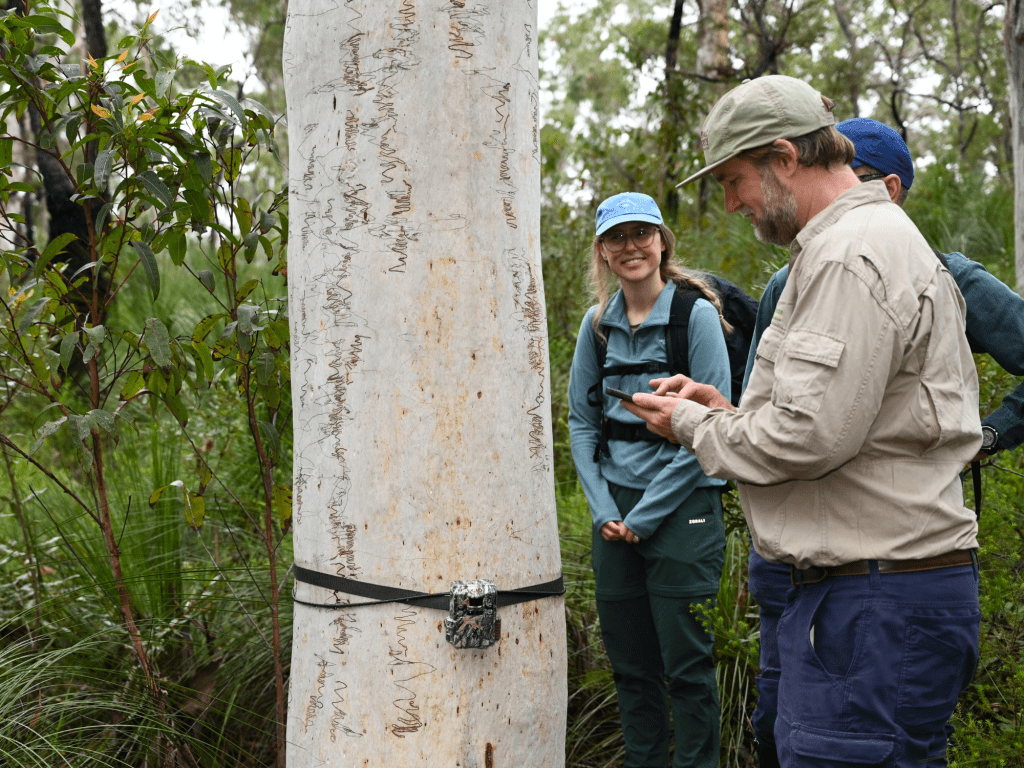
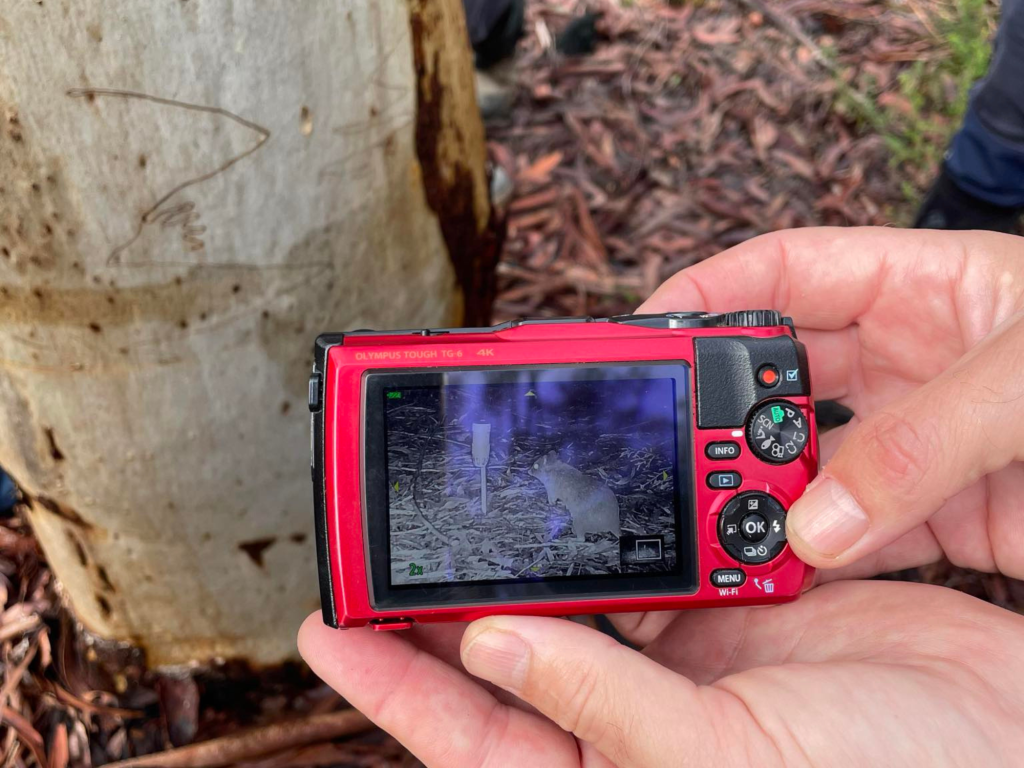
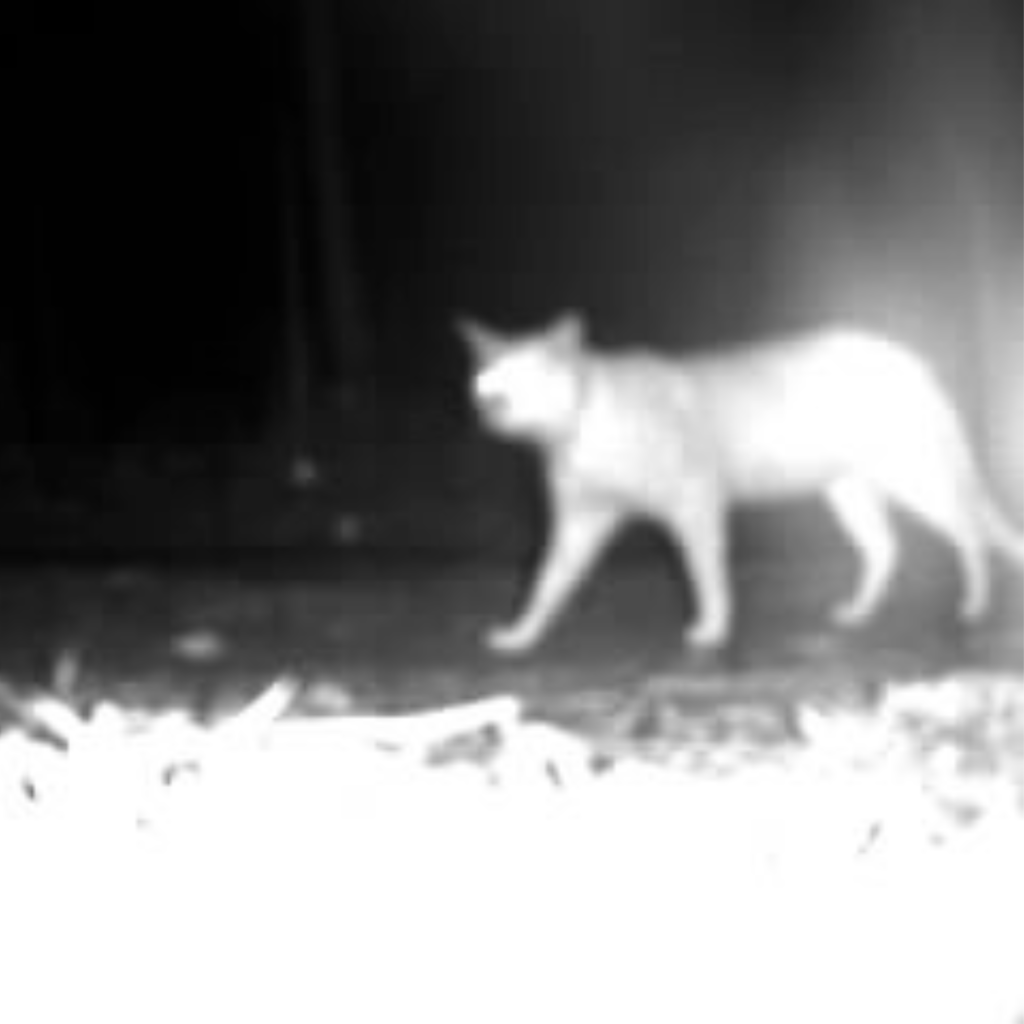
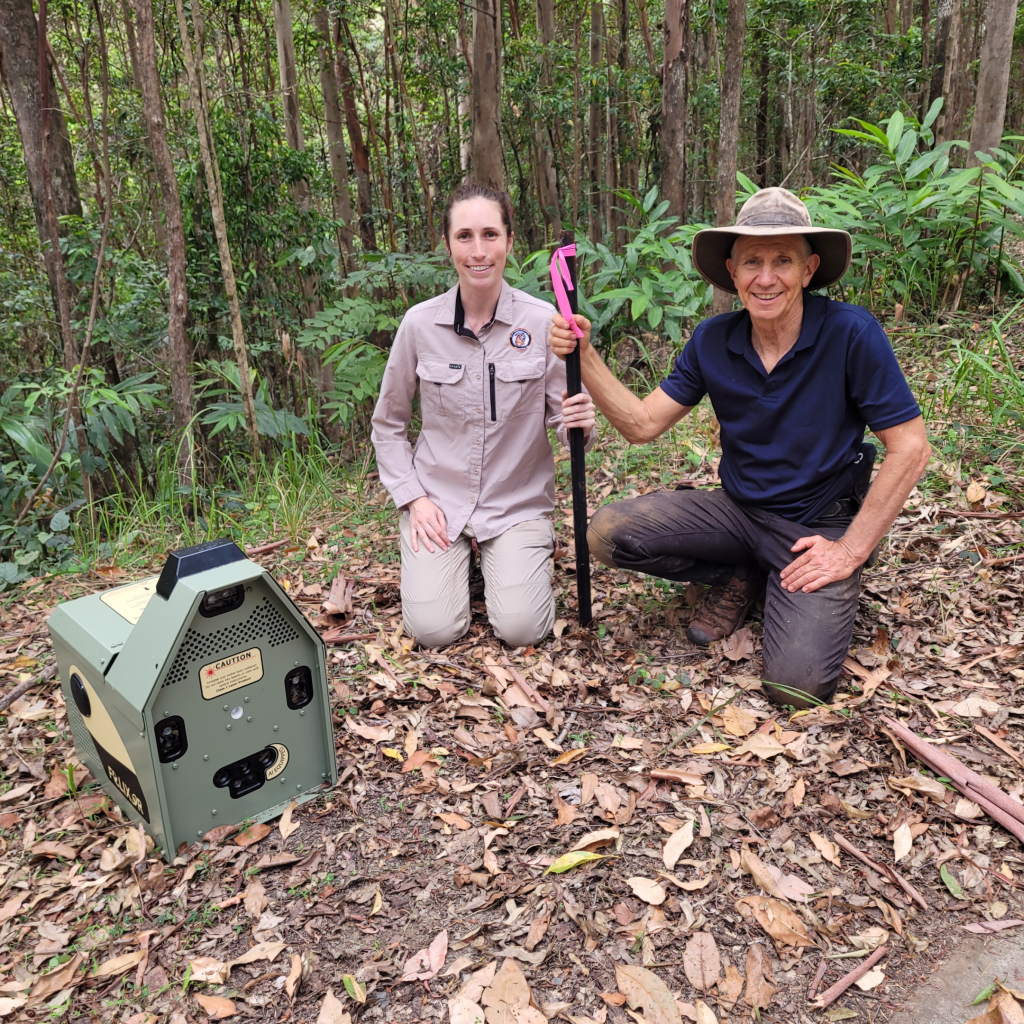
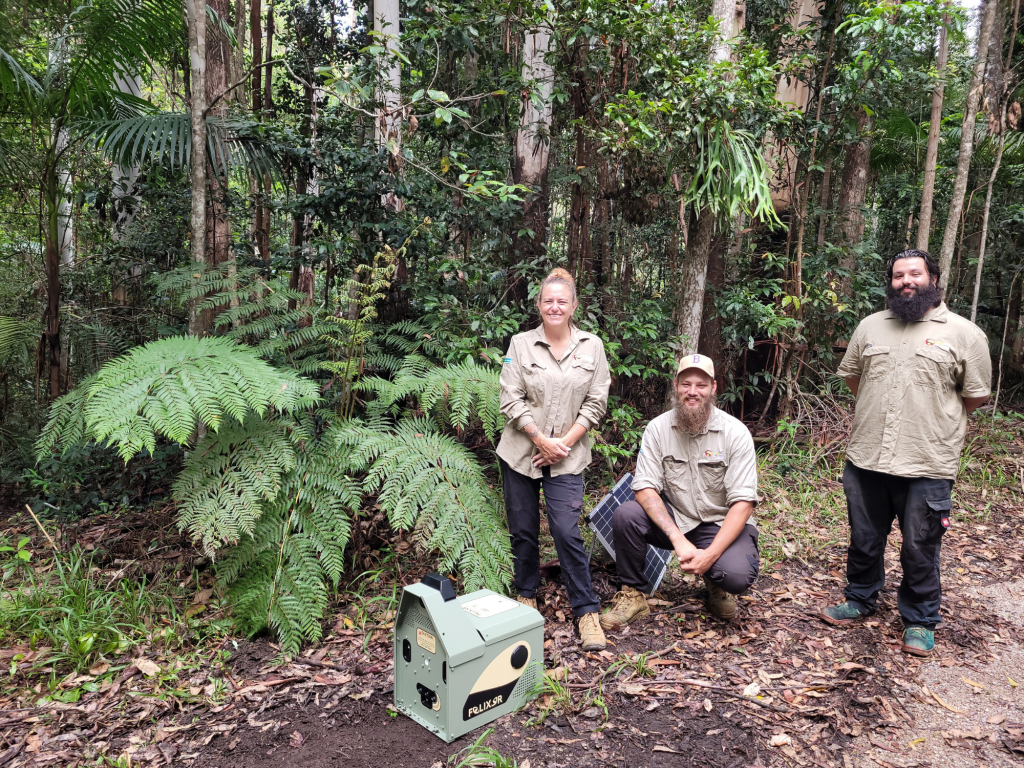
Early in the project, extensive camera surveys were conducted across southern Queensland to identify sites where potoroos and introduced predators overlapped. Springbrook emerged as a key site where both cats and potoroos where recorded in the same locations. Felixer grooming traps – a targeted predator control tool – were deployed adjacent to potoroo habitat.
The result:
- Two feral cats and one fox removed
- No further predator detections on cameras following control
- Increased detections of potoroos across a larger proportion of the site
Bu focusing control efforts where predators and potoroos overlap, we demonstrated that this technology can effectively reduce threats to vulnerable populations.
Finding the Survivors
While predator control proved effective at Springbrook, surveys across other sites revealed fewer cats than expected. Rather than undertake pest control “for the sake of it”, the project has shifted to a critical next step: finding where potoroos are still surviving across South East Queensland.
This work is already delivering exciting discoveries:
- Records of potoroos from a new location in Lockyer National Park
- Discovery of potoroos thriving in an exotic pine plantation near Main Range – a habitat where they had not previously been recorded
- Increased knowledge of distribution across key strongholds including D’Aguilar and Conondale National Parks
Understanding where potoroos persist is essential for:
- Securing long-term recovery outcomes
- Targeting future predator control
- Designing potoroo-friendly fire management regimes
- Informing land managers and conservation partners
Conservation, Together
Working together for a better future for the long-nosed potoroo.
Conservation success depends on collaboration. Throughout the project we have:
- Engaged Traditional Owner and community groups in monitoring and land management activities
- Involved local Friends of Parks groups in camera trapping and surveys
- Conducted pest management in partnership with local landholders
- Presented project findings at community events and conferences to raise awareness of potoroo conservation
By building local capacity and increasing awareness, we are strengthening long-term stewardship for this threatened species.


Future Directions
The next phase of the Potoroo Protectors Project will focus on:
- Expanding surveys across the species’ historical range
- Identifying additional sites where targeted predator control would benefit potoroos
- Informing prescribed fire planning to maintain the mosaic of long-unburnt refuges and open foraging areas that potoroos depend on
By combining comprehensive monitoring, target threat mitigation, and community involvement, we are laying the groundwork for stronger, resilient potoroo populations across South East Queensland.
You are invited to come on this journey with us – read on for ways you can get involved.
You can help potoroos survive
With your support, we can continue finding, protecting, and managing the populations that remain – ensuring this unique species persists for generations to come.